There’s something about a Colorado elopement that just feels different.
Maybe it’s standing on the edge of a mountain with no one else around. Maybe it’s the quiet right before you say your vows. Maybe it’s realizing that your wedding day doesn’t have to be a production.
It can simply be about the two of you.
And after photographing weddings for more than 30 years, I can tell you that some of the most emotional, beautiful and honest wedding days I’ve photographed have been the smallest ones.
Eloping Doesn’t Mean Giving Something Up
I think there’s still an outdated idea that an elopement is somehow a “smaller” version of a wedding.
It isn’t.
A Colorado elopement can be an entire experience built around exactly what you want your wedding day to feel like.
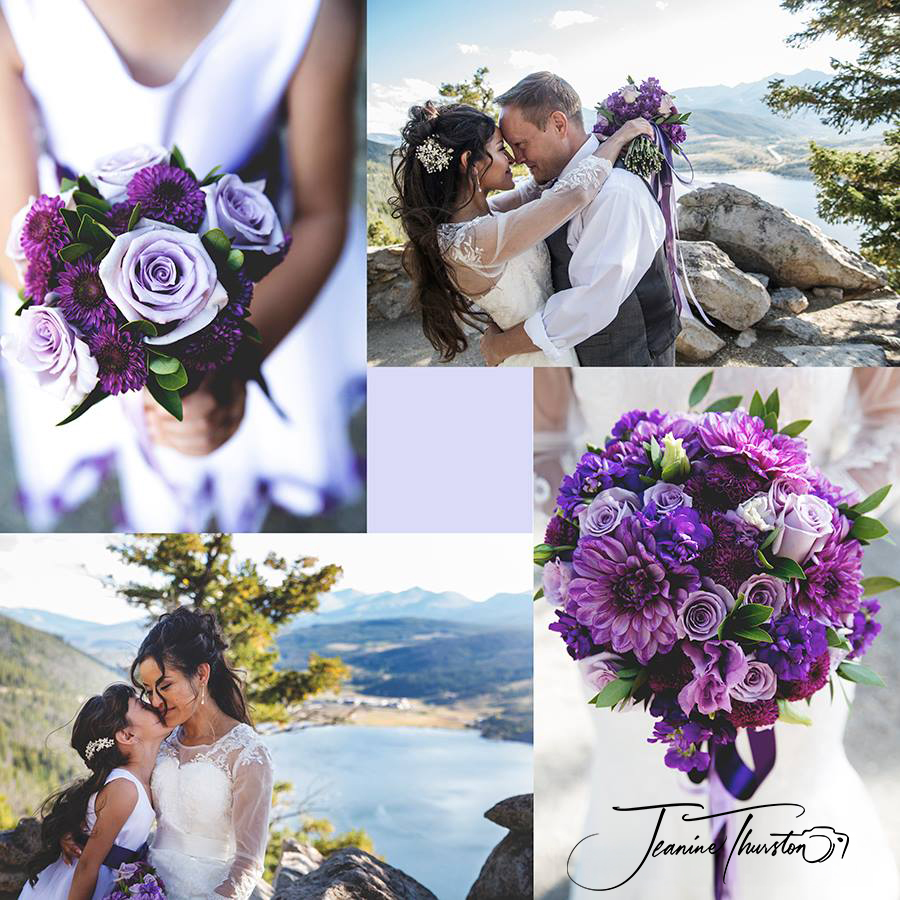
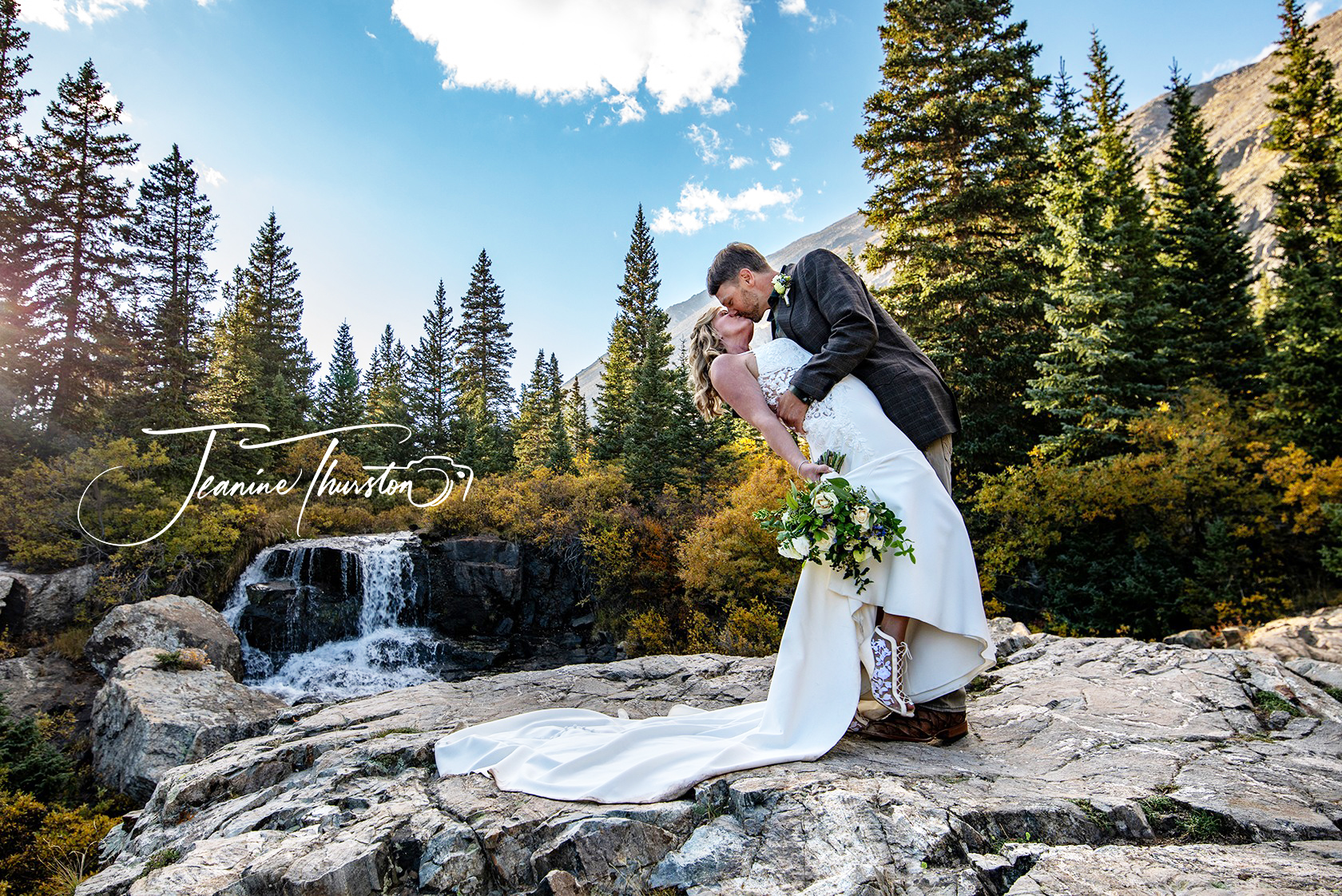
You can exchange vows beside an alpine lake.
Hike to a quiet overlook before sunrise.
Bring your closest family members to a mountain cabin.
Have champagne and cake overlooking the Continental Divide.
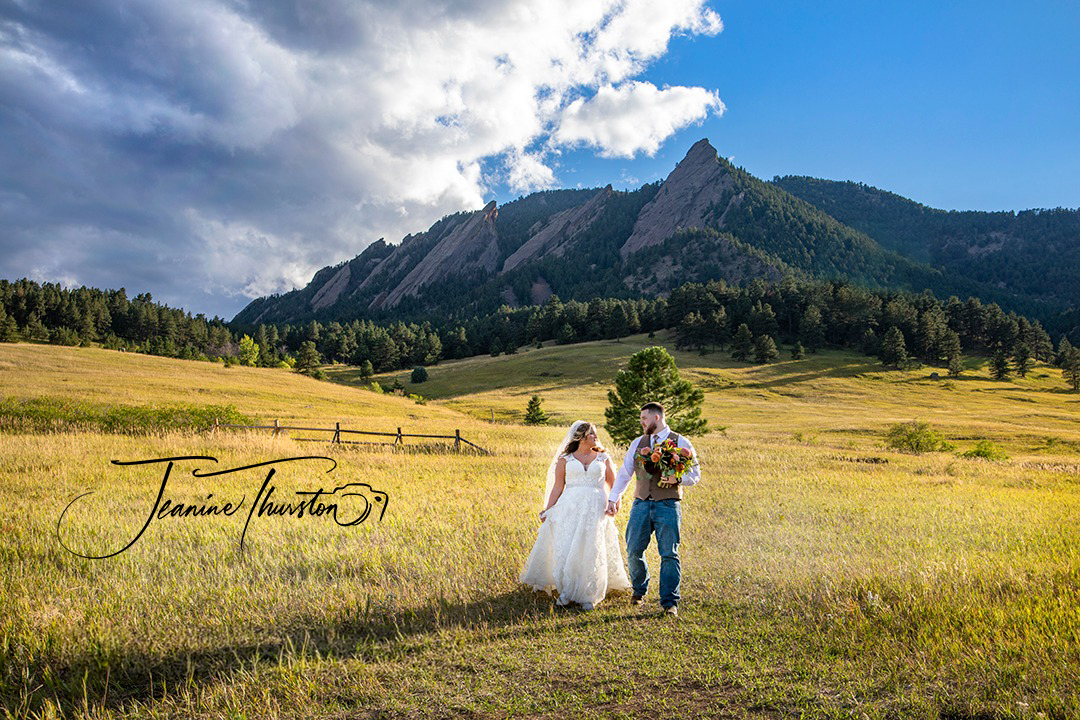
Spend the afternoon wandering through the mountains together.
Or have absolutely no agenda beyond getting married somewhere beautiful.
There are no seating charts to worry about. No spending half the reception making sure you’ve talked to everyone. No feeling like you need to follow a wedding-day formula because that’s what everyone else does.
You get to decide what matters.
Colorado Was Practically Made for Elopements
There are very few places where you can create so many completely different wedding experiences within one state.
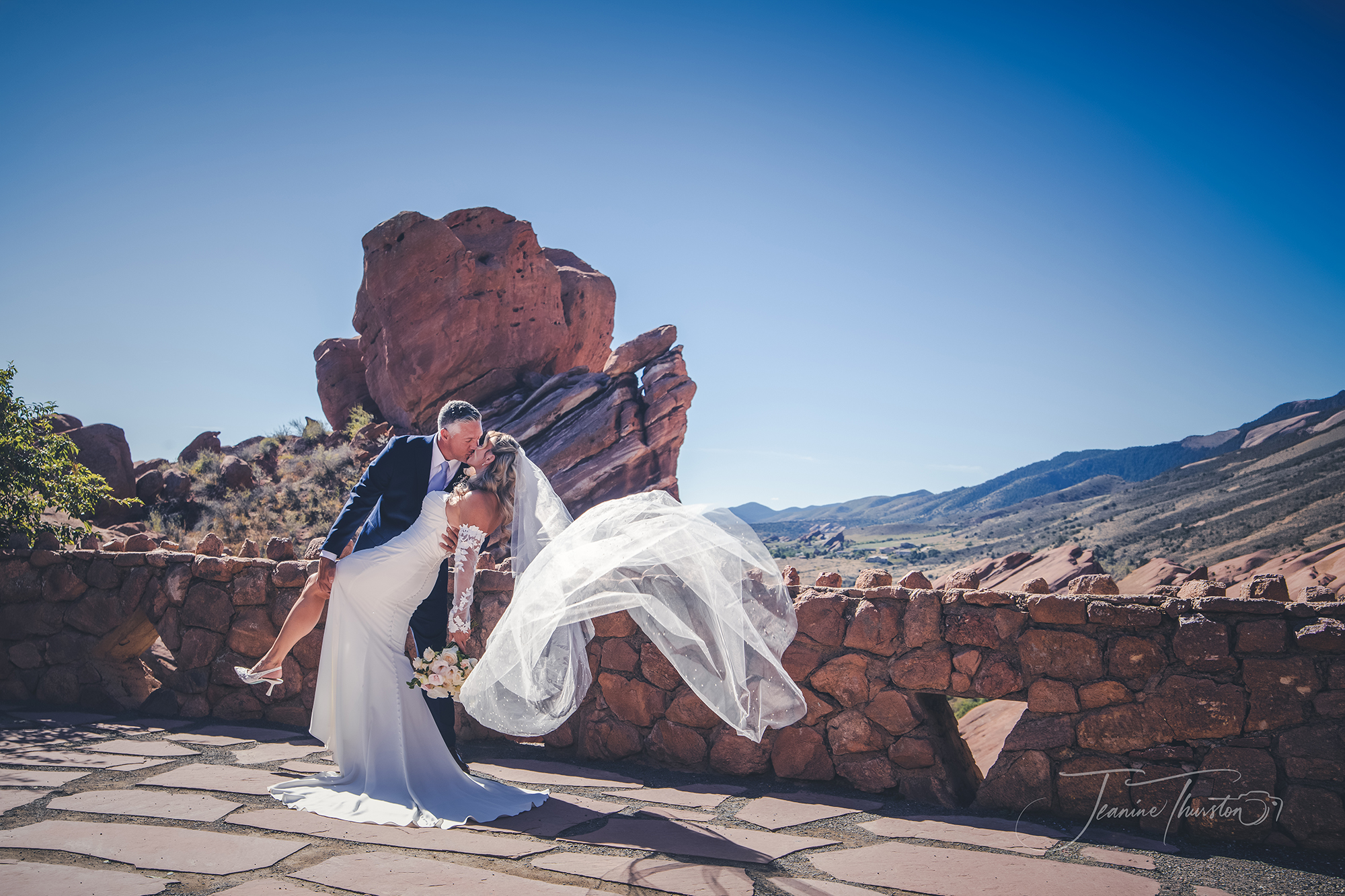
You have huge mountain views, quiet forests, alpine lakes, wildflowers, golden aspen trees, dramatic rock formations and wide-open Colorado skies.
And every season gives you something different.
Summer brings green mountains and wildflowers.
Fall can turn the mountains gold.
Winter creates an entirely different kind of intimacy with snow-covered landscapes.
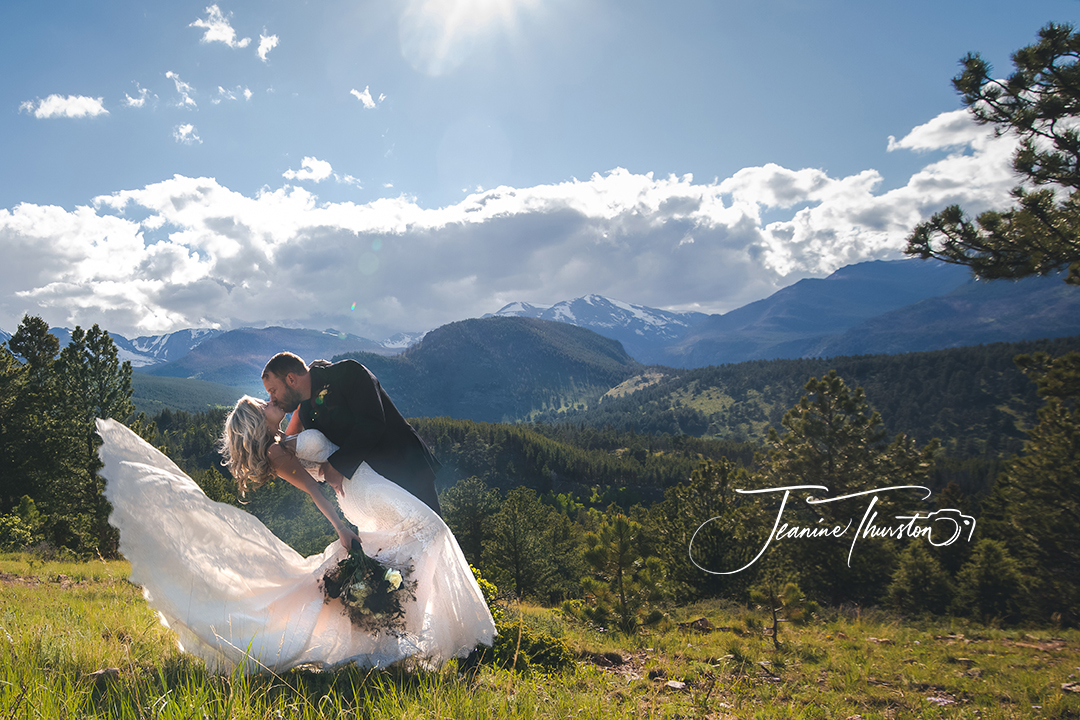
Even Colorado’s unpredictable weather can become part of the story. Wind catching a veil, clouds rolling across the mountains or an unexpected snowfall can create photographs you never could have planned.
That’s part of what I love about photographing weddings here.
You never get exactly the same day twice.
Your Elopement Photos Should Feel Like the Day — Not Like a Photoshoot
This is probably the biggest thing I want couples to understand.
You do not need to spend your entire elopement posing for photographs.
In fact, I don’t want you to.
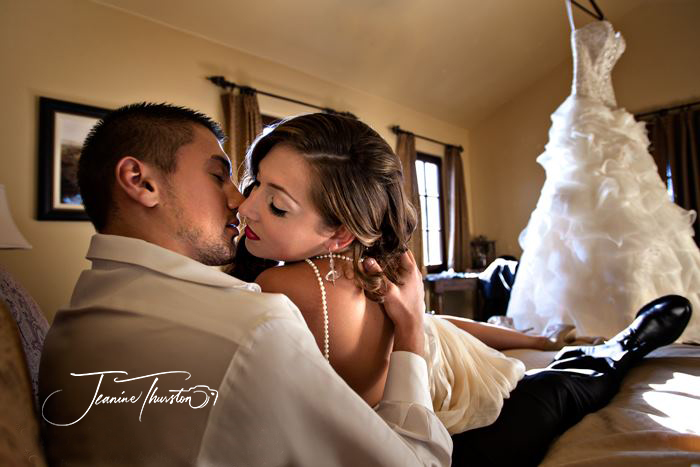
I want you walking together, laughing, talking, holding hands, fixing each other’s hair when the Colorado wind inevitably gets involved, drinking champagne and taking a second to look around and realize:
We actually just got married here.
Of course I’ll guide you when you need it. I’ll help with flattering light, beautiful locations and portraits you’ll want to frame.
But some of my favorite photographs happen between the photographs you thought we were taking.
A glance.
A laugh.
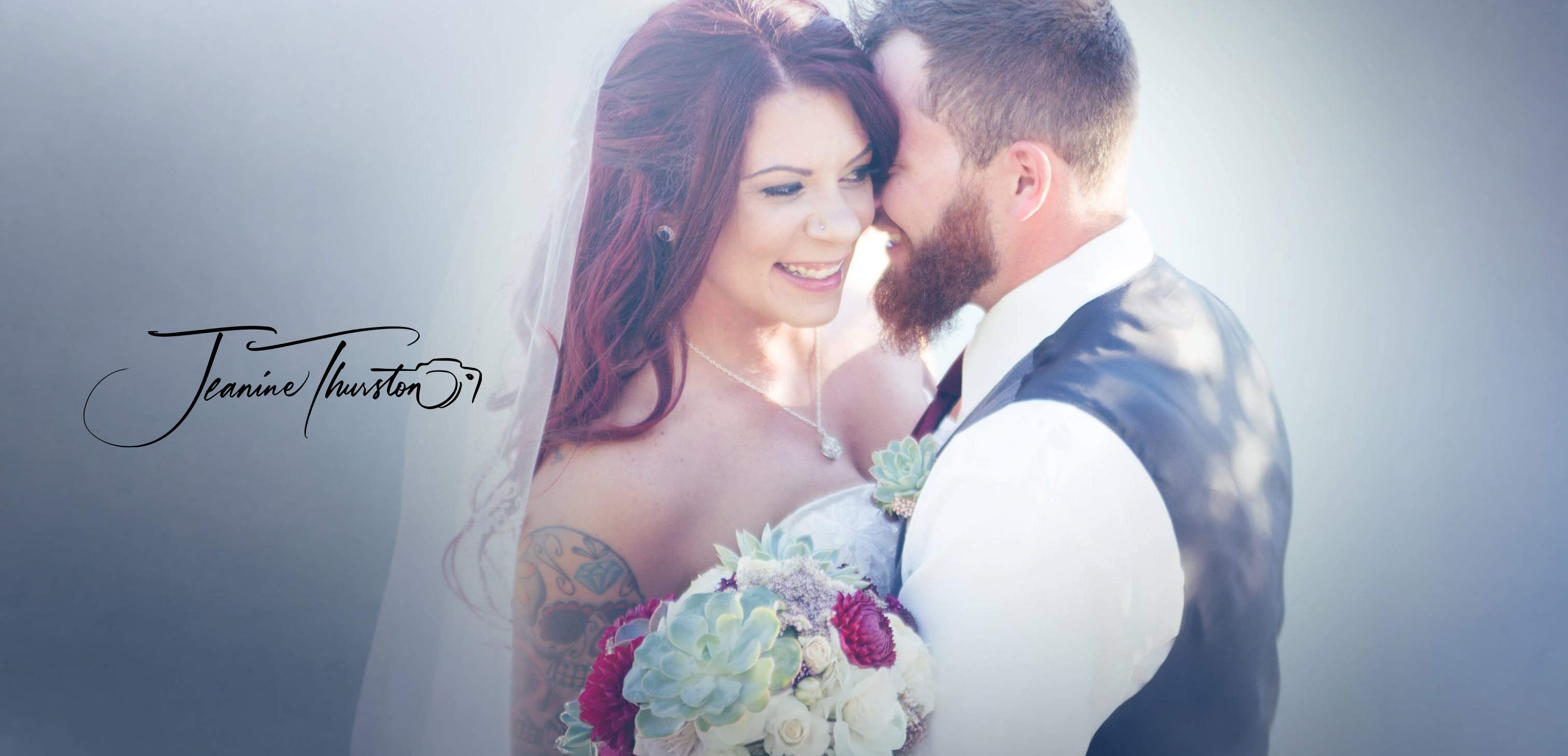
The way someone reaches for the other person’s hand.
Those are the images that bring you back to what the day actually felt like.
Plan Around the Light
If photography matters to you, think about light when you plan your ceremony.
Colorado sunrise and sunset light can be incredible.
Sunrise is quiet and peaceful and can give you popular locations almost entirely to yourselves.
Sunset gives us that warm, dramatic mountain light that Colorado does so well.
Midday weddings can absolutely be beautiful, but if you have flexibility in your schedule, building your portraits around the best light can completely change the look of your photographs.
Sometimes that means waking up very early.
Trust me. When you’re watching the sun come over the mountains together, you probably won’t regret it.
Be Ready for Colorado to Be Colorado
If you’re getting married in the mountains, flexibility is your friend.
Colorado can give you sunshine, wind, rain and snow surprisingly close together—especially at higher elevations.
Bring layers.
Wear shoes you can actually walk in, or bring a second pair.
Have something warm you won’t mind being photographed in.
And most importantly, don’t let a little weather convince you the day has gone wrong.
Sometimes the weather we didn’t plan for creates the photographs I end up loving the most.
Make Your Elopement an Experience
One of the best things about an elopement is that there doesn’t have to be a rigid wedding timeline.
Think beyond the ceremony.
What would make the day feel like you?
Maybe you hike somewhere together before sunrise.
Maybe you have coffee at your favorite mountain town café before getting ready.
Maybe you read private vows beside a lake.
Maybe you bring a picnic.
Maybe your dog comes along.
Maybe you stop for pizza afterward while still wearing your wedding clothes.
Maybe you dance on a mountain overlook when there isn’t another person around.
There is no rule saying your wedding has to look like anyone else’s.
And that, to me, is one of the best reasons to elope.
Choose a Photographer Who Understands Colorado
Elopement photography is about a lot more than showing up with a camera.
Your photographer should know how to handle rapidly changing light, unpredictable weather and locations where you may need to walk or hike to get the photograph.
They should also know when to step in and when to disappear into the background.
Most importantly, you should feel comfortable around them.
You’re inviting this person into one of the most personal days of your life.
You should be able to laugh with them, trust them and eventually forget that there’s a camera pointed at you.
That’s when the real photographs happen.
Maybe the Best Part Is How Much You Remember
Traditional weddings can be wonderful. I’ve photographed them for decades and still love them.
But they move incredibly fast.
An elopement gives you permission to slow everything down.
You can actually stand there for a minute after your vows.
Look at the mountains.
Look at each other.
Take it in.
Your wedding doesn’t have to impress 150 people.
It only has to mean something to the two of you.
And Colorado gives you one incredible place to do exactly that.
Planning a Colorado Elopement?
If you’re dreaming about getting married somewhere in the Colorado mountains, I’d love to hear what you’re imagining—even if you haven’t figured out all the details yet.
I photograph intimate weddings and elopements throughout Colorado with a mix of documentary storytelling, naturally guided portraits and the bold Colorado landscapes I’ve loved photographing for decades.
Your wedding doesn’t need to be big to be unforgettable.
Sometimes all you really need is the person you love, a beautiful place and enough time to actually experience it.
Ready to start planning? www.jeaninethurston.com
Order a downloadable PDF on ways to start planning from 1,000+ weddings of experience: https://jthurstonartwork.etsy.com/listing/4571352172